
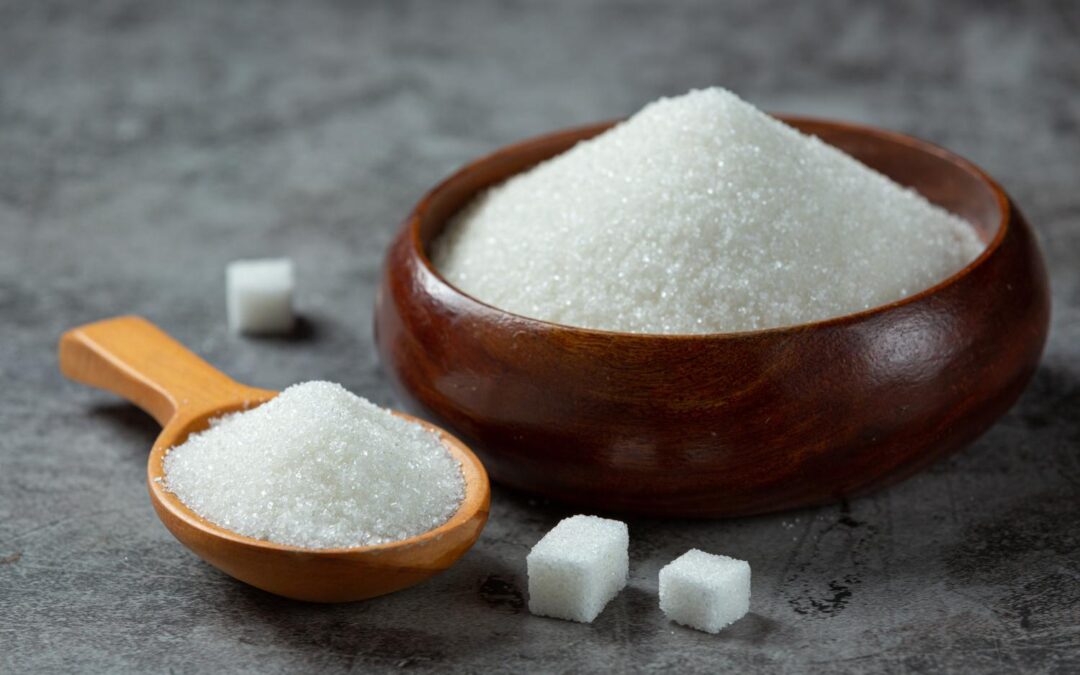
Sugar is one of the most common ingredients found in kitchens worldwide. From baking and cooking to sweetening beverages, granulated sugar plays a central role in countless recipes. But how does it differ from processed cane sugar, and which one suits your needs best? Understanding their similarities and differences can help consumers make better-informed choices.
What Is Granulated Sugar?
Granulated sugar is the most widely used form of sugar. It’s a white, crystalline substance made by refining raw sugar, usually derived from sugarcane or sugar beets. Its fine texture allows it to dissolve quickly, making it ideal for general cooking and baking. Key characteristics include:
- Highly refined and purified
- Neutral in flavour
- Long shelf life
- Versatile usage in drinks, desserts, and sauces
This type of sugar undergoes extensive processing to remove impurities, resulting in its pure white colour and smooth crystals.
Understanding Processed Cane Sugar
Processed cane sugar refers to sugar that has been extracted from sugarcane and then refined. While it is technically the source of most granulated sugar, the term is sometimes used to describe sugar that’s had less refining, retaining more of its natural molasses content. Variants might include:
- Raw or turbinado sugar with a light golden hue
- Partially refined white sugar still labelled as “cane sugar”
- Industrial-grade sugars used for specific manufacturing needs
The term “processed” emphasizes the method by which the sugar is purified, but the final product can vary depending on how refined it becomes.
Key Differences Between the Two
While both types stem from similar sources, the refining process distinguishes granulated sugar from processed cane sugar.
- Colour and texture: Granulated sugar is bright white and fine, while some processed cane sugar may appear coarser or slightly off-white.
- Flavor: Granulated sugar has a neutral taste, whereas less-refined cane sugar may retain a subtle molasses undertone.
- Usage: Granulated sugar is preferred for precise recipes, while certain cane sugar products are chosen for their flavour or texture in specific dishes.
Final Thoughts
Both granulated sugar and processed cane sugar serve similar purposes in the kitchen, but understanding the slight differences can influence how your recipes turn out. Whether you’re baking a cake or sweetening your tea, choosing the right sugar for the job ensures consistent results and optimal flavour.