
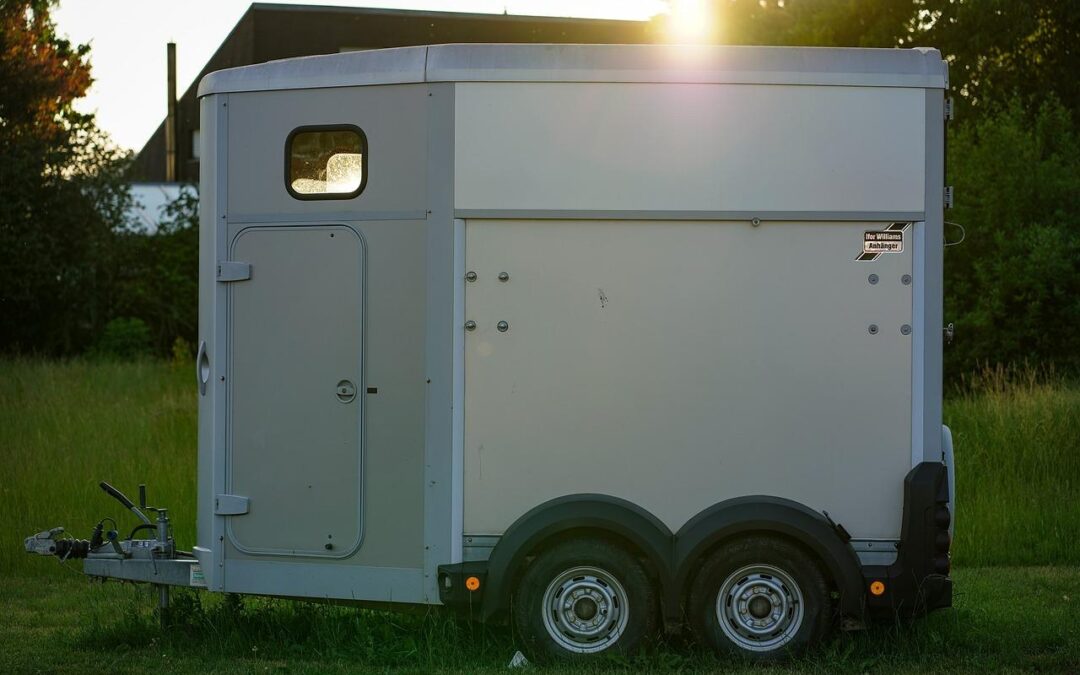
Choosing a horse trailer is not just about transporting your animal from A to B, it’s about ensuring safety, comfort, and long-term value. Whether you’re a competitive rider, breeder, or casual horse owner, the quality of your trailer will directly affect your horse’s welfare and your peace of mind. To avoid regret later, here are seven features every buyer should prioritise when evaluating a new or used unit.
1. Structural Integrity and Chassis Design
A solid foundation is critical. Look for trailers built with galvanised steel or high-tensile aluminium, which resist rust and corrosion without compromising strength. The chassis should be fully welded rather than bolted for greater durability. Pay close attention to weld quality, undercarriage protection, and how well the floor and walls are reinforced.
2. Ventilation and Airflow
Horses are sensitive to heat, stress, and poor airflow. A quality trailer will offer adjustable windows, roof vents, and an aerodynamic design that promotes natural ventilation—even when stationary. Proper airflow helps regulate temperature, remove ammonia from urine, and reduce the risk of respiratory distress during long journeys.
3. Internal Space and Headroom
Too often, trailers are purchased based on exterior size without consideration of interior proportions. Your trailer should comfortably accommodate the height, length, and width of your horse. Sufficient headroom prevents injuries from tossing or rearing, while ample width allows horses to brace safely during transit without becoming unbalanced.
4. Non-Slip and Drainable Flooring
The floor is one of the most overlooked yet essential features. Look for rubber-coated, marine-grade ply or aluminium floors with integrated drainage. Non-slip surfaces prevent slipping when loading or travelling, and proper drainage ensures urine and water do not pool—protecting both horse and trailer.
5. Suspension and Braking Systems
A quality trailer should offer either torsion or independent suspension to absorb road shock and maintain balance. Braking systems should meet Australian safety standards and be appropriate for the trailer’s size and weight. In emergency conditions, a well-calibrated system could prevent a dangerous situation from escalating.
6. Accessible Storage and Tack Areas
Integrated storage for tack, feed, and equipment is a key convenience, especially for those regularly on the move. Look for lockable compartments, saddle racks, and bridle hooks designed for easy access and weight distribution. Good storage reduces clutter and keeps essential gear secure and organised.
7. Compliance and Resale Value
All trailers should be road-legal with appropriate VIN numbers, compliance plates, and registration capability. If you’re considering second-hand options, many reputable sellers listing horse floats for sale will also provide roadworthy certificates and proof of service history, an important trust factor.
A well-chosen horse trailer finance ensures not just safe transport, but long-term reliability and comfort for your horse. Prioritising these seven features will help you invest with confidence and avoid costly compromises down the track.