
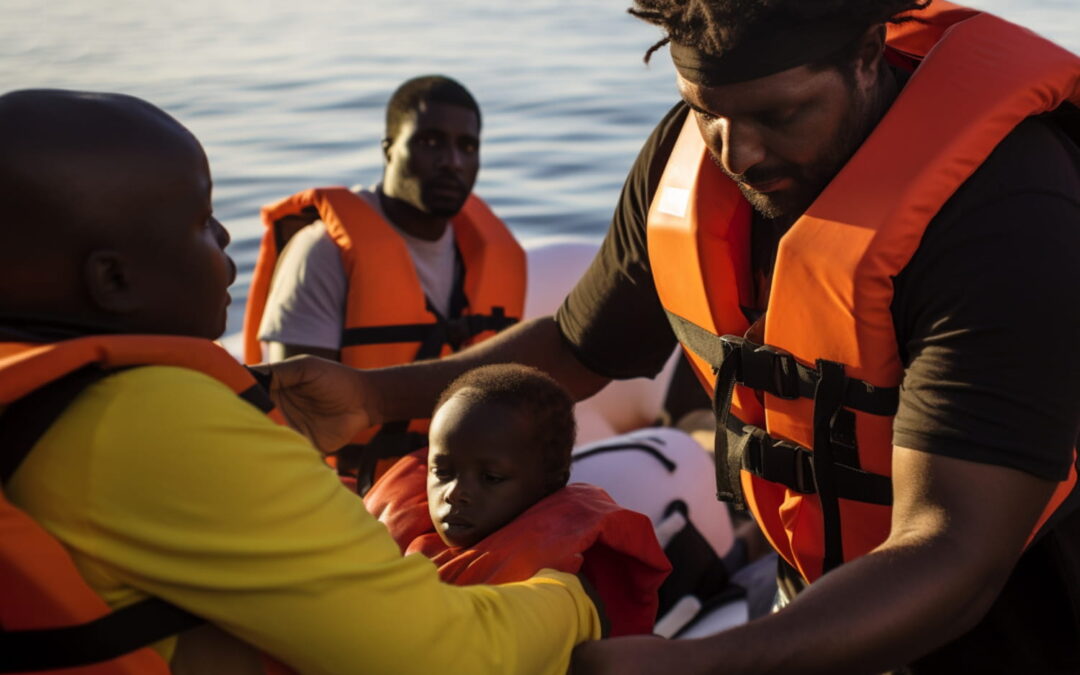
Every Louisianan knows that when a hurricane hits, it’s not just wind and rain you’re up against—it’s the uncertainty, the chaos, and that heart-sinking feeling when you see water rising faster than you expected. But there’s something else Louisiana is known for too: people who show up. Ordinary folks with boats, trucks, and big hearts. That’s what makes volunteer rescue groups like Cajun Navy 2016 such an incredible force when disaster strikes.
Honestly, if you’ve ever seen them in action, you know what I mean—it’s neighbors rescuing neighbors, no red tape, no waiting for orders. Just pure humanity in motion.
The Heart Behind Volunteer Rescue Efforts
Volunteer rescue groups are the unsung heroes of hurricane season. While official emergency services are stretched thin or waiting on clear weather to deploy, these volunteers are already wading through floodwaters, pulling people out of submerged cars, and bringing supplies to stranded families.
The thing is, they don’t do it for recognition or money. Most of them have regular day jobs—teachers, mechanics, small business owners—who just can’t stand by when someone’s in danger. During Hurricane Ida and countless others before it, Cajun Navy 2016 and similar groups mobilized in hours, often rescuing hundreds before national agencies could even arrive.
It’s real, grassroots compassion—and it’s something Louisiana deeply depends on.
Why Their Work Matters More Than You Think
You’d be amazed how often volunteer rescuers fill gaps left by overwhelmed or delayed official responses. Hurricanes can knock out communications, close roads, and leave people stranded for days. Volunteer crews can move faster because they know the backroads, bayous, and neighborhoods like the backs of their hands.
And they bring more than just muscle—they bring comfort and hope in moments when people feel helpless. Imagine being trapped in your attic during a storm and hearing someone yell your name through the roar of the wind. That’s not something you forget.
When groups like Cajun Navy 2016 show up, it’s not just about rescue—it’s about reassurance. It’s about the message that no matter how bad things get, someone’s coming for you.
How These Groups Keep Going (and Why They Need Us)
Here’s what a lot of people don’t realize: volunteer groups rely almost entirely on donations. The boats, fuel, gear, and even first-aid supplies come out of pocket or from people who care enough to contribute. There’s no steady government funding stream or corporate budget behind them—it’s neighbors supporting neighbors.
I remember reading about volunteers using their own vacation time or sleeping in their trucks for days to stay close to affected areas. That kind of commitment is rare, but it’s also fragile. Without community support, even the most dedicated rescue group can struggle to keep going year after year.
So when you donate or spread the word, you’re not just giving money—you’re literally helping save lives.
Building a Stronger, Safer Louisiana Together
Hurricanes aren’t going away. In fact, they seem to be getting stronger and more unpredictable. That means Louisiana needs every layer of protection it can get—from official emergency agencies and from local heroes who know how to act fast.
Supporting volunteer rescue teams is about more than appreciation; it’s an investment in our own resilience. Because when the next storm hits, it won’t matter what uniform someone’s wearing—it’ll matter who’s there when you need them most.
So, next time you hear about a fundraiser or a call for supplies from a group like Cajun Navy 2016, don’t scroll past it. Every bit helps—fuel for a boat, batteries for a flashlight, or even just a word of encouragement online. It all adds up.
At the end of the day, Louisiana’s strength has always come from its people. When the waters rise, so do we—and that’s something worth standing behind.