
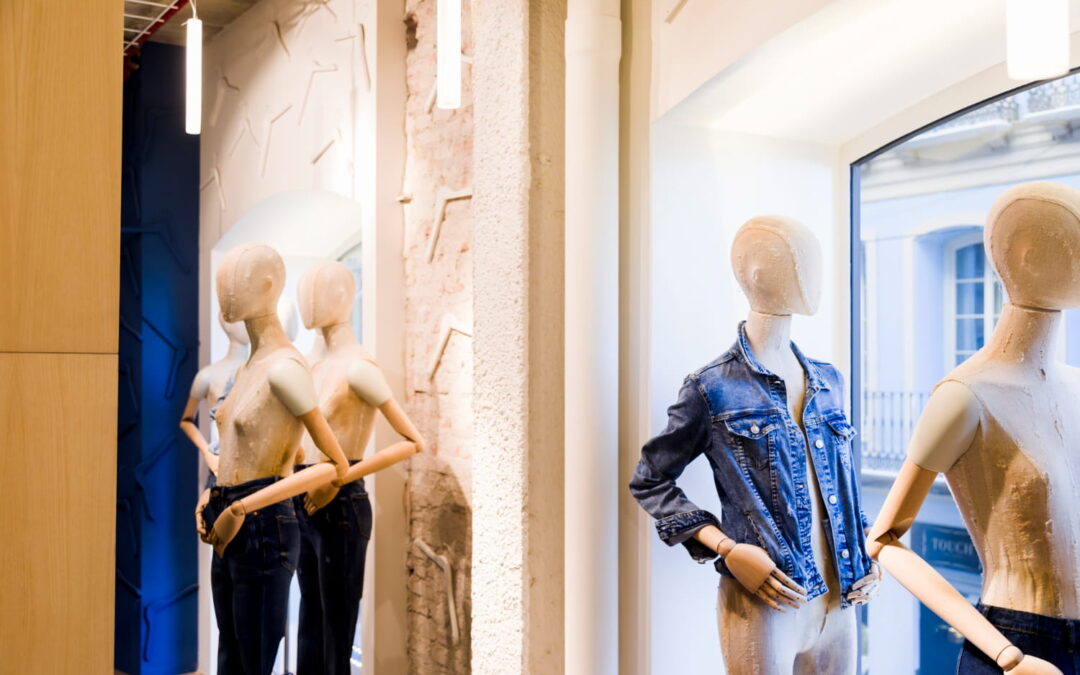
Walk into any high street shop and you’ll spot the problem immediately. Those gleaming plastic figures holding up the latest collections? They’re part of a wasteful cycle most retailers would rather not discuss. Sustainable mannequins are changing this narrative, but not in the way most people expect.
The Hidden Costs
Here’s what the industry doesn’t advertise. Traditional mannequins get binned after relatively short periods. Shop refits, brand updates, minor damage—any excuse will do. Most end up in commercial skips because recycling facilities won’t accept mixed materials. The fibreglass torso, plastic limbs, and metal fixtures make separation impossible. Some retailers have storage units filled with outdated displays they can’t shift.
Beyond Recycled Cardboard
The sustainable mannequin market isn’t just slapping a green label on the same old products. There’s a London-based manufacturer using coffee grounds mixed with bioresin to create surprisingly sturdy forms. Storm-damaged timber that would otherwise rot in council yards becomes another company’s raw material. The mycelium option everyone mentions? It actually works better in humid environments where traditional fibreglass develops mould issues.
The Repair Revolution
Smart retailers are cottoning on to modular systems. A cracked hand no longer means binning an entire mannequin. You order the part, snap it on, done. One boutique in Melbourne has been using the same torsos for years, just swapping out limbs when needed. Sustainable mannequins built this way also survive shipping and storage far better than their fragile predecessors.
What Customers Notice
Shoppers won’t applaud your eco-friendly mannequins. They will, however, call out hypocrisy faster than you can say greenwashing. A brand flogging organic cotton whilst surrounded by petroleum-based displays sends a jarring message. Small independent stores are leveraging this authenticity gap against bigger competitors who talk sustainability but use the same plastic figures they’ve had for decades.
The Custom Route
Standard mannequins come in limited body types. None of them represent actual human diversity. Custom mannequins in London workshops are producing forms that reflect real communities—different ages, abilities, and body shapes. Retailers are discovering that customers spend longer in stores when they see themselves represented. The sustainable angle becomes a bonus rather than the sole selling point.
Installation Challenges
Sustainable materials behave differently. Some respond poorly to direct sunlight, others can’t handle frequent repositioning. Wood-based mannequins need climate control. Bioplastic versions sometimes develop surface irregularities that wouldn’t appear on traditional forms. Retailers switching over need to understand these quirks rather than expecting identical performance.
Supplier Verification
The sustainable mannequin market attracts opportunists. Some suppliers rebrand conventional products with vague environmental claims. Request material certifications, production location details, and end-of-life disposal options. If a supplier can’t provide specific answers, they’re probably reselling someone else’s stock with marked-up prices.
Where This Goes Next
Rental models are emerging for temporary displays and seasonal changes. Some London warehouses now offer rotation services. Swap your winter displays for summer ones without storing anything yourself. This approach slashes both costs and environmental impact whilst keeping visual merchandising fresh.
Conclusion
The shift to sustainable mannequins isn’t about saving the planet through display choices alone. It’s about operational intelligence. Longer-lasting products, repairable components, and authentic brand alignment create advantages beyond the environmental angle. Retailers waiting for perfect solutions will find themselves outpaced by competitors who’ve already made the switch.