
A few years ago, most shopfronts relied on the same formula. Printed posters in the window, maybe a pull up banner near the entrance, and signs that slowly curled at the corners after sitting in the sun too long. People walked past them every day without really seeing them anymore. Somewhere along the line, that started changing.
How The Screen That Gets Noticed First
Not because it is shouting for attention, but because movement naturally breaks routine. Even a simple change from one image to another is enough to make somebody glance over while walking past. That tiny pause matters more than most businesses realise.
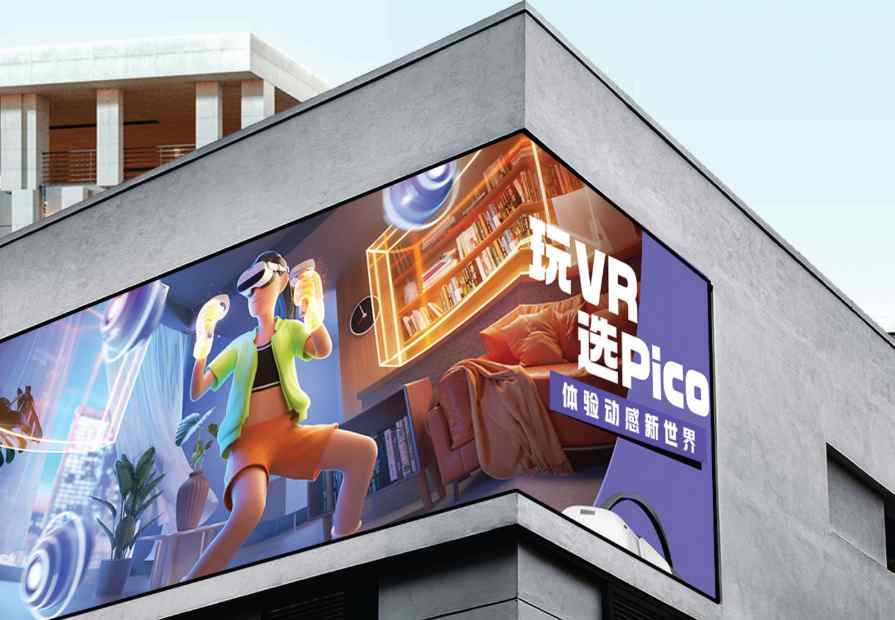
Commercial Digital Display Screens have gradually become part of normal business spaces. Retail stores use them, of course, but they are turning up almost everywhere now. Cafés, gyms, reception areas, hotels, clinics, car dealerships, shopping centres. Some are large and impossible to miss, while others quietly blend into the space until they need to display something important.
What makes them useful is not really the technology itself. Most customers do not care about screen specs or software systems. They care about whether a space feels organised, current, and easy to navigate. Digital displays help with that in a way printed signage struggles to match.
Think about something as simple as a café menu. Printed boards usually stay exactly the same for months because changing them is annoying and expensive. Digital menus can shift throughout the day. Breakfast items disappear when lunchtime starts. Sold out items can be removed instantly. Seasonal drinks can appear for a weekend and vanish again without anyone climbing a ladder to swap signs.
People Notice Movement Before They Read Words
Most customers are not standing still carefully reading signs anymore. People skim while walking, scrolling through phones, talking to somebody beside them, or thinking about the next place they need to go. Static signage often disappears into the background because the brain filters it out after seeing it too often.
Even subtle movement catches attention for a second longer, and that second is usually enough to deliver a message. Retailers understand this well. A short video or rotating product image near an entrance can pull attention from halfway across a shopping centre walkway without looking overly aggressive.
Restaurants have also leaned heavily into digital displays because menus constantly change. Hotels use them for event schedules and guest directions. Offices use them in reception areas because they create a cleaner experience than paper notices taped to walls.
Information available about commercial display solutions also shows how businesses can customise setups depending on the environment, whether through slim wall mounted screens, freestanding displays, or large LED video walls for high traffic spaces.
It Is Less About Advertising Than Most People Think
Digital Advertising Display Screens in Sydney businesses are using today are also much easier to manage compared to older systems. Multi location businesses can update displays across several stores without relying on individual staff members to change signage manually every week.
A lot of businesses are not using screens purely to sell things. Sometimes the goal is simply making a space feel easier to move through. Clear directions, updated information, queue systems, appointment notices, event details. Those small things shape customer experience more than businesses sometimes realise.
That matters because consistency is difficult when businesses grow. At the same time, customers usually never think about any of this directly. They simply remember whether a place felt modern, organised, and easy to understand.
That is probably why Commercial Digital Display Screens keep appearing in more business spaces every year. Not because they feel flashy anymore, but because they quietly solve problems businesses have dealt with for a long time.