
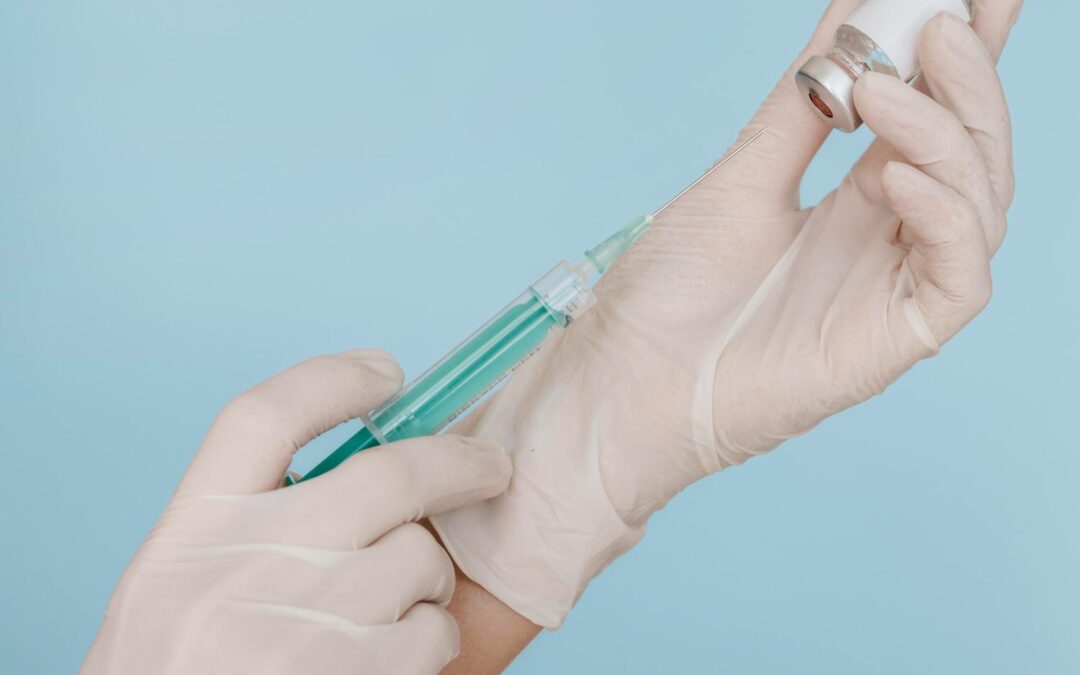
The advancement of laboratory tools has significantly enhanced the precision and reproducibility of experimental procedures. Among these tools, peptide pens have emerged as an increasingly valuable device in non-human research. Designed to deliver peptides subcutaneously in pre-measured doses, they offer accuracy, control, and convenience, especially important in regulated experimental environments.
What Is a Peptide Pen?
A peptide pen is a prefilled, pen-like injection device used to administer peptides in controlled volumes. While it shares similarities with insulin pens in structure, peptide pens are strictly intended for laboratory research and are not authorised for human therapeutic use unless approved by regulatory bodies such as the MHRA.
How They Work in Research Settings
Peptide pens typically include a dial mechanism to select the dose, a cartridge containing the peptide solution, and a disposable needle for administration. They are commonly used in animal model studies or in vitro environments where exact peptide dosing is critical to the study’s integrity.
Advantages Over Traditional Delivery Methods
Compared to manual syringes, peptide pens offer greater ease of use, improved dose accuracy, and reduced contamination risk. These features contribute to more reliable research outcomes, especially when investigating peptide pharmacokinetics or receptor responses.
Compliance and Legal Framework
In the UK, the use of peptide pens for research must comply with the Human Medicines Regulations 2012 and MHRA guidelines. It is unlawful to advertise or distribute them for therapeutic use unless authorised as a medicinal product. All non-clinical use must be clearly labelled “for research purposes only” to avoid breaching the CAP Code or consumer protection laws.
Where They’re Most Commonly Used
Peptide pens are frequently used in academic research, pharmaceutical R&D, and preclinical toxicology studies. Laboratories that specialise in endocrinology, metabolic research, or peptide-receptor mapping benefit particularly from their dosing precision and operational simplicity.
Risks of Misuse
Unlicensed human use or unauthorised promotion of peptide pens poses both legal and ethical risks. Improper application could lead to penalties under UK medicines law and compromise the scientific integrity of ongoing studies. All users should be trained and operate within a licensed facility.
Peptide pens serve a specific and valuable purpose in laboratory environments where precision and control are paramount. When handled responsibly and legally, they contribute to safer, more efficient research workflows without compromising compliance.
Ready to enhance your research protocols with advanced delivery systems? DN Lab Research offers high-quality, research-grade materials, including reliable tools like peptide pens, for controlled experimental use.
Book a consultation or explore our range at dnlabresearch.com/shop.