
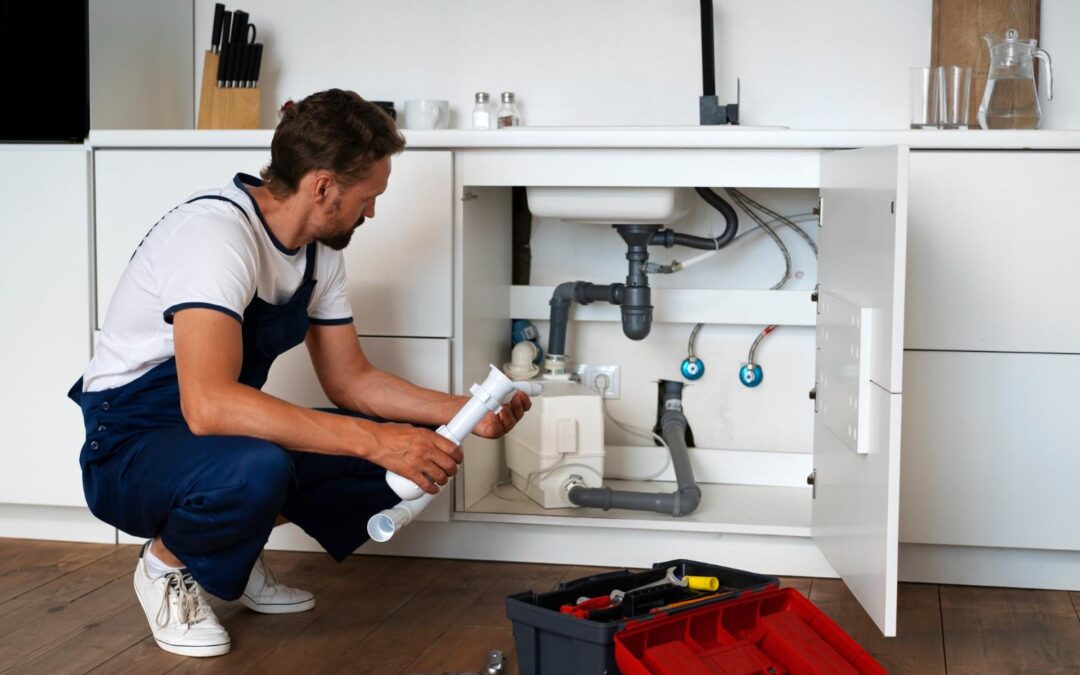
A reliable plumbing system is one of the cornerstones of a functional household. Yet, many homeowners neglect basic upkeep until a major issue arises. Regular home plumbing maintenance not only prevents costly repairs but also extends the life of your pipes and fixtures.
Below are practical, easy-to-follow tips every homeowner should adopt to keep their plumbing in peak condition.
Inspect for Leaks Regularly
Small drips from taps or under sinks may seem harmless, but over time, they can waste thousands of litres of water and drive up utility bills. Check for signs of leaks in exposed pipework, under cabinets, and around appliances like dishwashers and washing machines. If you notice moisture, rust, or mould, it’s time to investigate further.
Clear Drains Proactively
Blocked drains are one of the most common plumbing issues. Avoid chemical drain cleaners, which can damage pipes over time. Instead, use a drain snake or a natural mix of baking soda and vinegar for gentle cleaning. Installing drain covers in sinks and showers helps catch hair, food, and debris before they cause blockages.
Monitor Water Pressure
Water pressure that’s too high can strain your pipes and appliances, while pressure that’s too low may indicate a hidden leak. Use a pressure gauge to monitor household levels—ideally between 40 and 60 psi. If you notice fluctuations, call a professional to assess the source.
Flush Water Heater Annually
Sediment buildup in water heaters reduces efficiency and shortens the unit’s lifespan. Flushing your water heater once a year removes this build-up, ensuring it operates safely and efficiently. If you’re unsure how to do this, most manufacturers provide detailed instructions, or a plumber can handle it for you.
Check Outdoor Plumbing
Garden taps, irrigation systems, and external pipes often go unchecked until a leak appears. Before winter, drain outdoor plumbing lines and insulate exposed pipes to prevent freezing and bursting. After heavy rains, inspect gutters and storm drains to ensure proper flow and prevent backflow issues.
Understand the System’s Layout
Knowing where your stop valve is located and understanding how your plumbing services runs through the house can be invaluable in an emergency. This basic knowledge also helps when scheduling plumbing system maintenance or carrying out small DIY repairs.
Stay Ahead with Smart Habits
Preventative care is always more cost-effective than emergency repairs. By sticking to a routine, staying observant, and acting early, homeowners can protect their investment and avoid major disruptions. Make home plumbing maintenance a regular part of your household care routine, it’s a small effort with lasting rewards.