
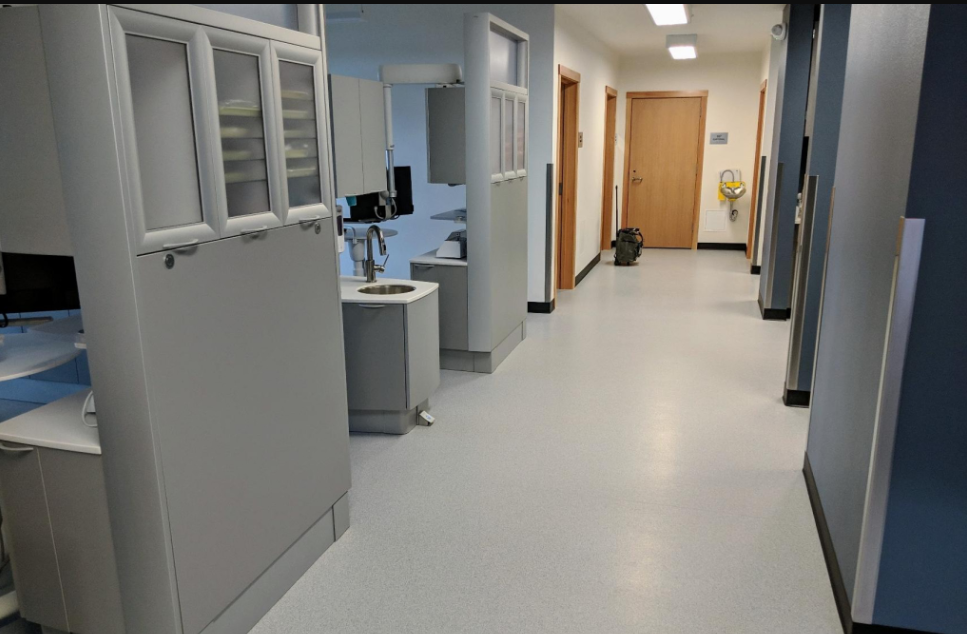
Nobody walks into a hospital corridor and thinks about the floor, not unless something’s already gone wrong beneath their feet. But flooring in a clinical setting carries far more weight than most visitors ever stop to consider properly. That’s largely why more facilities are turning to proper healthcare flooring installation and consultancy before small issues turn genuinely unmanageable. It’s rarely one dramatic decision; honestly, more a slow realisation that patched-up flooring keeps causing the exact same headache. Once specialists actually get involved, though, the difference tends to show up quicker than most administrators expect at first. Facilities managers often describe it less as a renovation and more as finally fixing something that’s nagged for years. Anyone who’s spent time alongside a maintenance team will recognise this particular pattern instantly.
The Squeak Nobody Could Ever Explain
Every hospital seems to have that one corridor — the one that squeaks, lifts slightly, or feels permanently damp near the skirting. Maintenance teams patch it repeatedly, and somehow the same issue resurfaces months later, usually during the busiest shift imaginable. That’s rarely a materials problem on its own; it’s often an installation issue nobody properly diagnosed at the start. Proper consultancy digs into what’s actually happening underneath, rather than treating the same symptom again and again pointlessly. Facilities bringing specialists in early tend to sidestep that whole cycle of temporary fixes that never quite hold. That single, proper diagnosis often saves far more disruption than anyone expected when the problem first showed up. Getting it right the first time genuinely beats fixing it quickly, badly, and several times over.
Where Germs Actually Tend to Hide
Infection control depends on flooring in ways rarely discussed outside specialist circles or the occasional clinical audit somewhere. Seams, joints, worn coating — that’s where bacteria settle, no matter how hard cleaning staff scrub each morning. Healthcare flooring installation and Consultancy specialists know exactly where these weak points tend to form during standard installation. That knowledge means seams get sealed properly, coatings get specified correctly, and vulnerabilities get sorted before opening day arrives. Cleaning staff often mention how much easier maintenance becomes once infection control is actually built into the flooring itself. That ease shows up directly in more consistent hygiene standards across wards handling constant footfall day after day. Getting this part right protects patients in ways that rarely make headlines, yet matter more than most realise.
The Trolley Wheel Test, Basically
Nurses pushing trolleys down a ward notice flooring problems long before any official complaint ever gets logged properly. Uneven joints, subtle dips, poorly finished transitions — staff feel that vibration through their hands, repeatedly, shift after shift. Specialist installation accounts for this constant movement, picking materials and techniques built to withstand genuine daily wear. Facilities skipping proper consultancy often only discover these issues once equipment or patients experience actual discomfort firsthand. That’s a lesson learned far too late, usually when fixing it means disrupting an already-functioning ward unnecessarily. Getting the installation right from the start avoids that entire mess, sparing everyone considerable frustration down the line. Small details, repeated across hundreds of daily trolley runs, genuinely do add up to something substantial.
Conclusion
Healthcare environments need flooring that performs quietly and reliably, without drawing attention to itself under pressure, day in and day out. Proper Healthcare Flooring Installation and Consultancy makes sure that performance isn’t left to guesswork during the installation process itself. From infection control to everyday durability, the difference shows up in ways staff notice fast, patients seldom do. It’s not some dramatic transformation, really, more a steady confidence that the basics are finally sorted properly. Facilities investing properly in this expertise tend to report fewer complaints and noticeably less recurring maintenance hassle overall. As healthcare standards keep tightening, getting flooring right the first time feels less optional and more simply expected now. Most facilities managers considering this route find the conversation worth having sooner rather than later, honestly.